
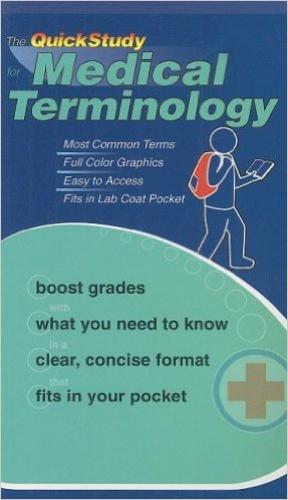
The *Medical Terminology Barcharts Book* serves as a quick reference guide for students and professionals, simplifying the understanding of medical terminology with clear definitions and examples.
| Format | Print Edition |
|---|---|
| Author | Barcharts, Inc. |
| Content | Comprehensive overview of medical terms and their meanings. |
| Target Audience | Students and professionals in the healthcare field. |
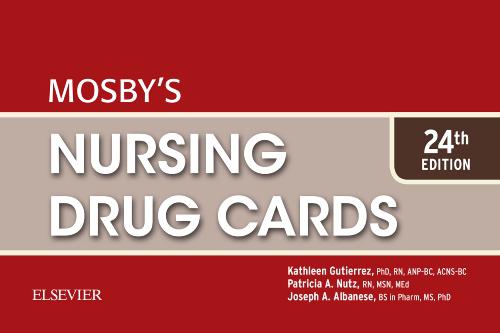
Get a head-start to becoming a pharmacology expert! Mosby's Nursing Drug Cards, 24th Edition is the ideal, pocket-sized drug information reference with over 400 sturdy cards containing guidelines for 700+ generic and 600 brand-name drugs. Each card lists the most up-to-date nursing information, including descriptions, use(s), mechanism(s), pharmacokinetics, side/adverse effects, contraindications/precautions, interactions, dosing, and nursing management priorities. Best of all, these pre-made drug cards come ready-to-go for use in the classroom or during clinicals!
Preface
Bibliography
Drug card explanation
Contributors and Reviewers
Abbreviations
Trade Drugs Available in Canada
Critical Thinking Card
Category Cards
Drug Cards
Appendixes
A. Antagonists and Antidotes: flumazenil
B. Antagonists and Antidotes: naloxone
C. Drug Dosage Calculations
D. Look-alike/Sound-alike Drug Names
E. Nutritional Supplements
F. Management of Ingested Drug Overdose
Index
Blank card
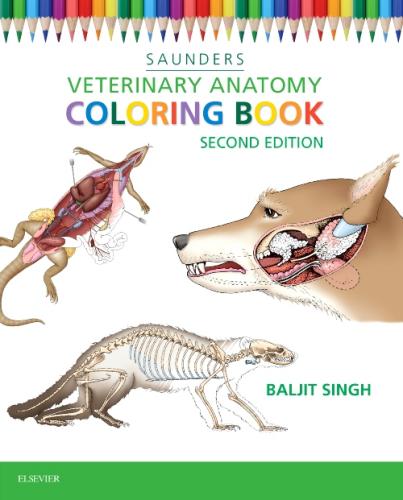
Master veterinary anatomy with the Veterinary Anatomy Colouring Book, 2nd Edition. Featuring around 400 easy-to-color illustrations and detailed descriptions, this book guides you through the anatomy of dogs, cats, horses, pigs, cows, goats, and birds. A new section on exotics includes ferrets, rodents, rabbits, snakes, and lizards, ensuring you're well-versed in all household pets. This engaging study tool makes learning anatomy enjoyable and memorable.
| Author | Saunders |
|---|---|
| Content | An interactive coloring book featuring 400 illustrations and descriptions for mastering veterinary anatomy. |
| Edition | 2 |
| Target Audience | Veterinary students, animal science students, and anyone interested in animal anatomy. |
Prepare for VTNE success! Review Questions and Answers for Veterinary Technicians, 6th Edition provides 5,000 VTNE-style questions that have been reviewed and updated to reflect the latest changes to the Veterinary Technician National Examination. The book begins with multiple-choice questions on basic knowledge, including anatomy and physiology, hospital management, calculations, and terminology. It continues with a Q&A review of core subjects such as pharmacology, surgical nursing, laboratory procedures, diagnostic imaging, and pain management. Written by veterinary technology educator Heather Prendergast, this review includes an Evolve website allowing you to create customized, timed practice exams that mirror the VTNE experience.
Make sure you can identify the many different types of surgical instruments! Surgical Instruments: A Pocket Guide, 4th Edition is a quick "go-to" source for information on over 160 of the most commonly used surgical instruments. Each two-page spread features full-color photos of an instrument and its tip (if applicable), and then describes how it is used, its common variations, and any alternative names. Written by Maryann Papanier Wells, this compact, durable reference is easy to keep with you at all times. With instruments alphabetized within each major instrument class, locating specific information has never been easier!
1. Sharps/Dissectors/Cutting
2. Forceps/Grasping
3. Clamps/Holding
4. Retractors
5. Suture Devices/Needle Holders
6. Suction Tips
7. Dilators/Probes
8. Minimally Invasive Surgical Instruments
9. Internal Staplers
10. Surgical Power Tools
11. Routine Instrument Sets
Glossary
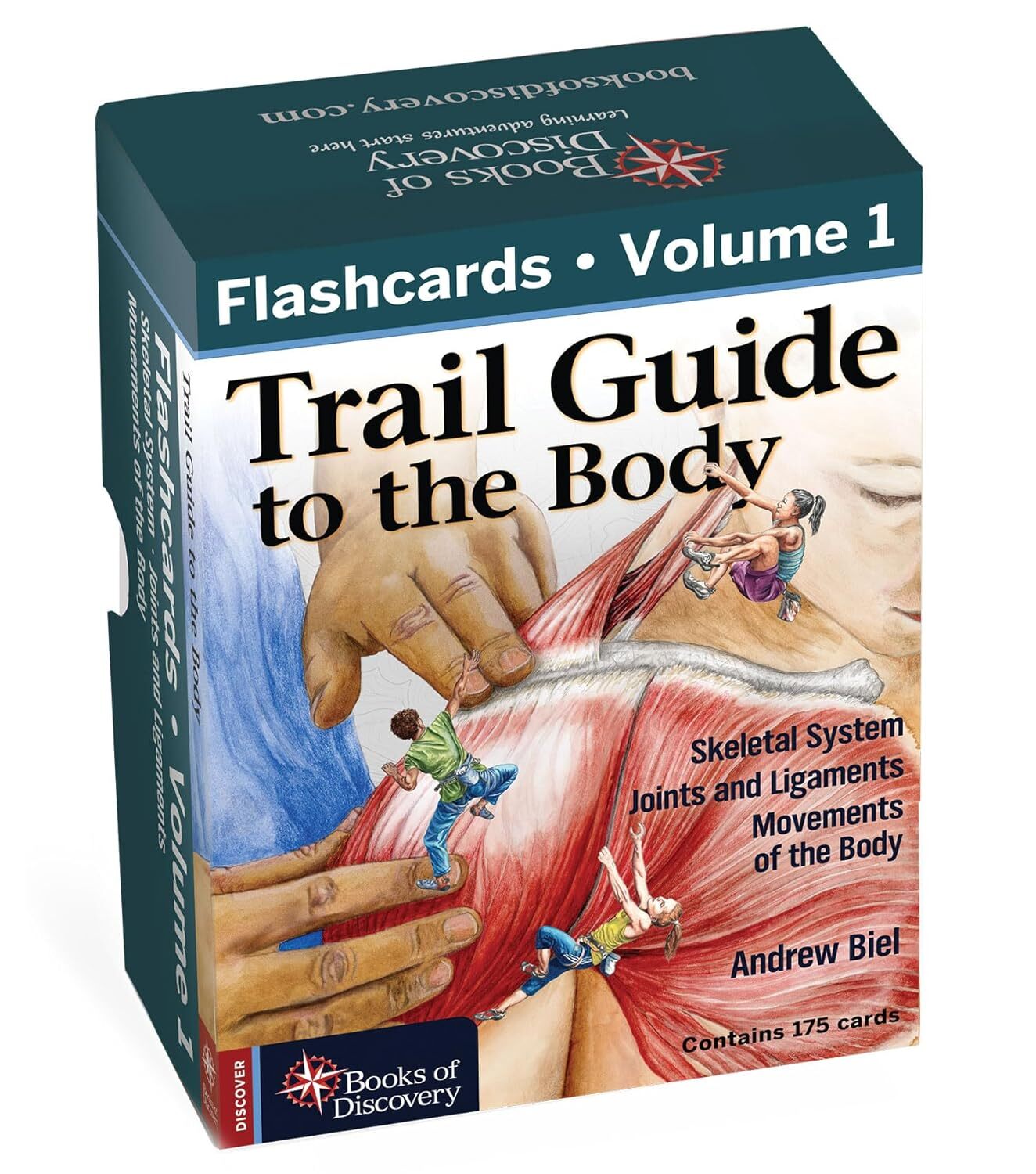
These beautifully illustrated and user-friendly flashcards come in a two-volume set and are an essential tool for testing your knowledge. Volume 1 (175 cards) covers the skeletal system, joints, and ligaments, as well as movements of the body. Flashcard volumes can be ordered separately. These flashcards cover the following chapters in Trail Guide to the Body: Shoulder & Arm Forearm & Hand Spine & Thorax Head & Neck Pelvis & Thigh Leg & Foot Features of these flashcards include: Beautiful, hand-drawn illustrations in a two-color format. Page references in the bottom corner for finding more information in Trail Guide to the Body. Call-out letters (a, b, c, d) next to each structure to help you identify the specific structure in question. Durable, coated cards that are easy to handle and made to last.
Selected as a Doody's Core Title for 2022!
Math for Nurses: A Pocket Guide to Dosage Calculation and Drug Preparation, 10th Edition
Mary Jo Boyer, RN, PhD
Quickly Access Everything You Need to Calculate Dosages Effectively and Ensure Accurate Drug Delivery
Current, compact and easy to use, Math for Nurses helps you perfect the basic math skills, measurement systems and drug calculations/preparations essential to successful nursing practice. Packed with real clinical examples and practice problems, this pocket-sized reference guides you step-by-step through the problem-solving and practical applications required in the nursing workplace.
Thoroughly prepare for tests, exams, and clinical placements with Elsevier's Comprehensive Review for the Canadian PN Examination, 2nd Edition. This is the only CPNRE® and REx-PN® text with accompanying online practice material to provide an exhaustive content review and a wealth of practice questions to help you prepare for PN licensure anywhere in Canada! Thoroughly updated, this edition reflects all current Canadian Council for Practical Nurse Regulators National PN competencies, including those specifically for Ontario and British Columbia. It’s a great way to test yourself on all exam competencies, along with your understanding, application, and critical thinking abilities.
1. Introduction
2. Tips for Writing the CPNRE®
3. Tips for Writing the REx-PN®
4. Professional Practice and the Nurse-Client Partnership
5. Health Assessment Across the Lifespan
6. Health and Wellness
7. Nursing Fundamentals and Clinical Skills
8. Pharmacology and Nursing Practice
9. Medical-Surgical Nursing
10. Maternal-Newborn Nursing
11. Pediatric Nursing
12. Mental Health Nursing
13. End-of-Life Care
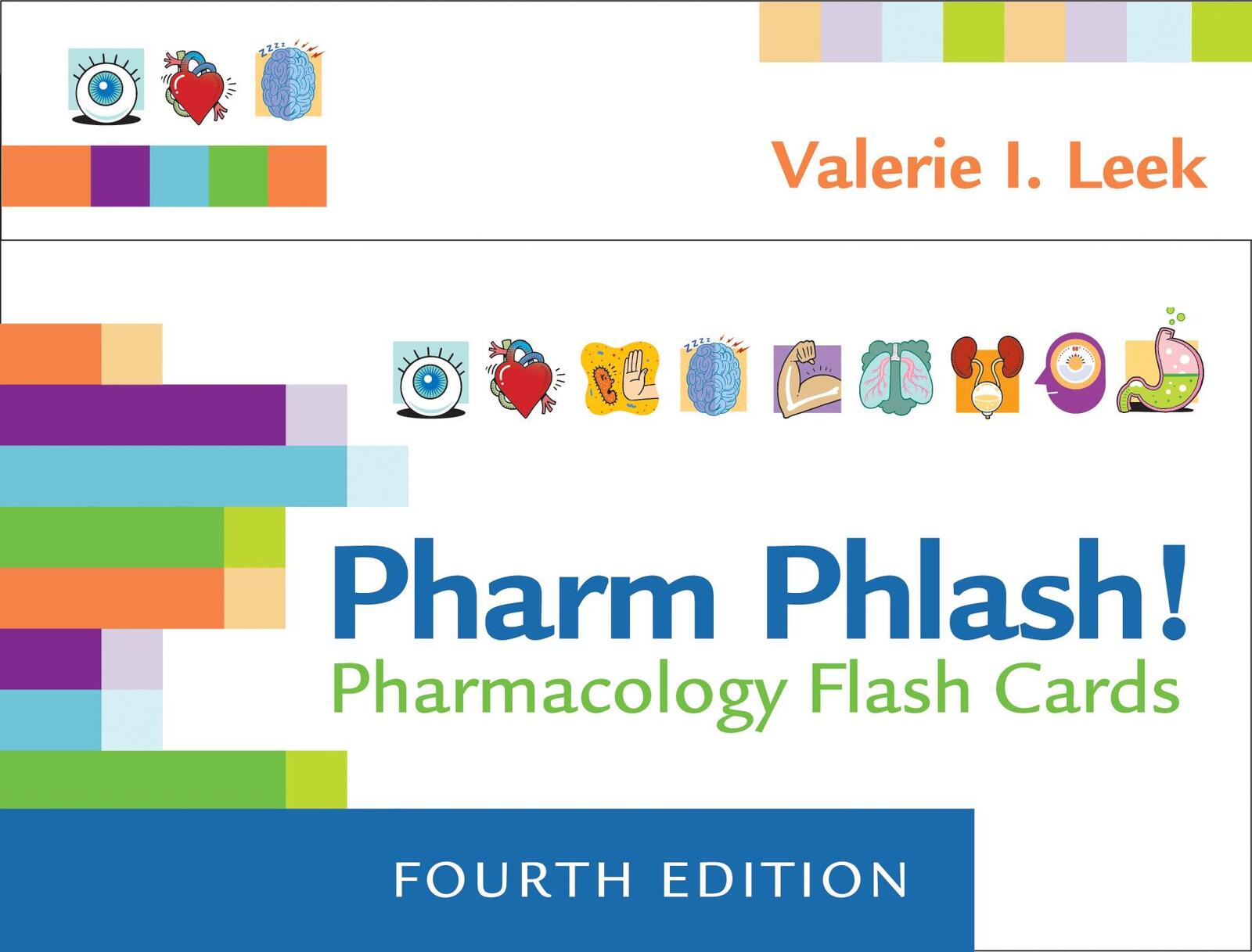
The best flashcards to test yourself on the top drugs & prepare for the NCLEX®!
Increase your test scores in pharmacology class.Build your confidence to pass the NCLEX®.Expand your understanding of pharmacological agents.Decrease and prevent medication errors in practice.
These flashcards put critical clinical information for nearly 400 of the top generic medications at your fingertips. Each card features a single generic drug or a medication group to help build associations between common medications and includes indications for use of the drug, action of the drug, route/dosage information, adverse reactions/side effects, pre-administration vital signs, laboratory data assessment, drug levels, patient teaching, and more. Count on them for accuracy because each card is based on content fromDavis's Drug Guide for Nurses®.
AMAZING and MUST GET!
“These cards are a MUST for any nursing student or even nurse! I use these for almost every single assignment from nursing process sheets to care plans. You need to get these immediately, and you'll love them!! Seriously, I am so glad I stumbled upon these cards. Thank you to whoever invented these!—Edgar G.
“I used these cards to pass my pharmacology final and my NCLEX in nursing school! I love these cards. They have all the info you need on the card, and even helpful tips.—Cloie
Updated & Revised! Completely reviewed and updated to ensure accuracyA color-coded, body-system organization reflects the information common to classes of medications.Each card features a single generic drug or a medication group to help build associations between common medications and includes indications for use of the drug, action of the drug, adverse reactions/side effects, pre-administration vital signs, laboratory data assessment, drug levels, patient teaching, and more.“Make the Connection highlights information crucial to administering medications safely, understanding the clinical applicability of the information, and helps to develop critical-thinking skills.“Keep in Mind provides key nursing considerations, including client teaching.Route/dosage information appears on the back of each card.Common abbreviations listed on each card, with a summary of the abbreviations on separate, introductory cards.A comprehensive, alphabetical Index makes it easy to locate drugs within the deck by trade, generic, or Canadian brand name.New!Card listing commonly used monoclonal antibodies, their brand and generic names, and indications for useNew!Cards explaining the cytochrome P450 (CYP 450) enzyme system, how the enzymes effect the levels of other drugs with a list of strong and moderate inhibitors and inducersNew!CYP3A4 inducer or inhibiter descriptions in the “Make the Connection section on each card, when appropriateNew!Cards for VMAT2 inhibiters in the central nervous system section
Table of Contents
Key to Abbreviations
Key to Icons
Introduction
Drug Cards covering...
• Gastrointestinal System Drugs
• Endocrine System Drugs
• Urologic System Drugs
• Immune System Drugs
• Musculoskeletal System Drugs
• Central Nervous System Drugs
• Cardiovascular System Drugs
• Respiratory System Drugs
• Sensory System Drugs
Index
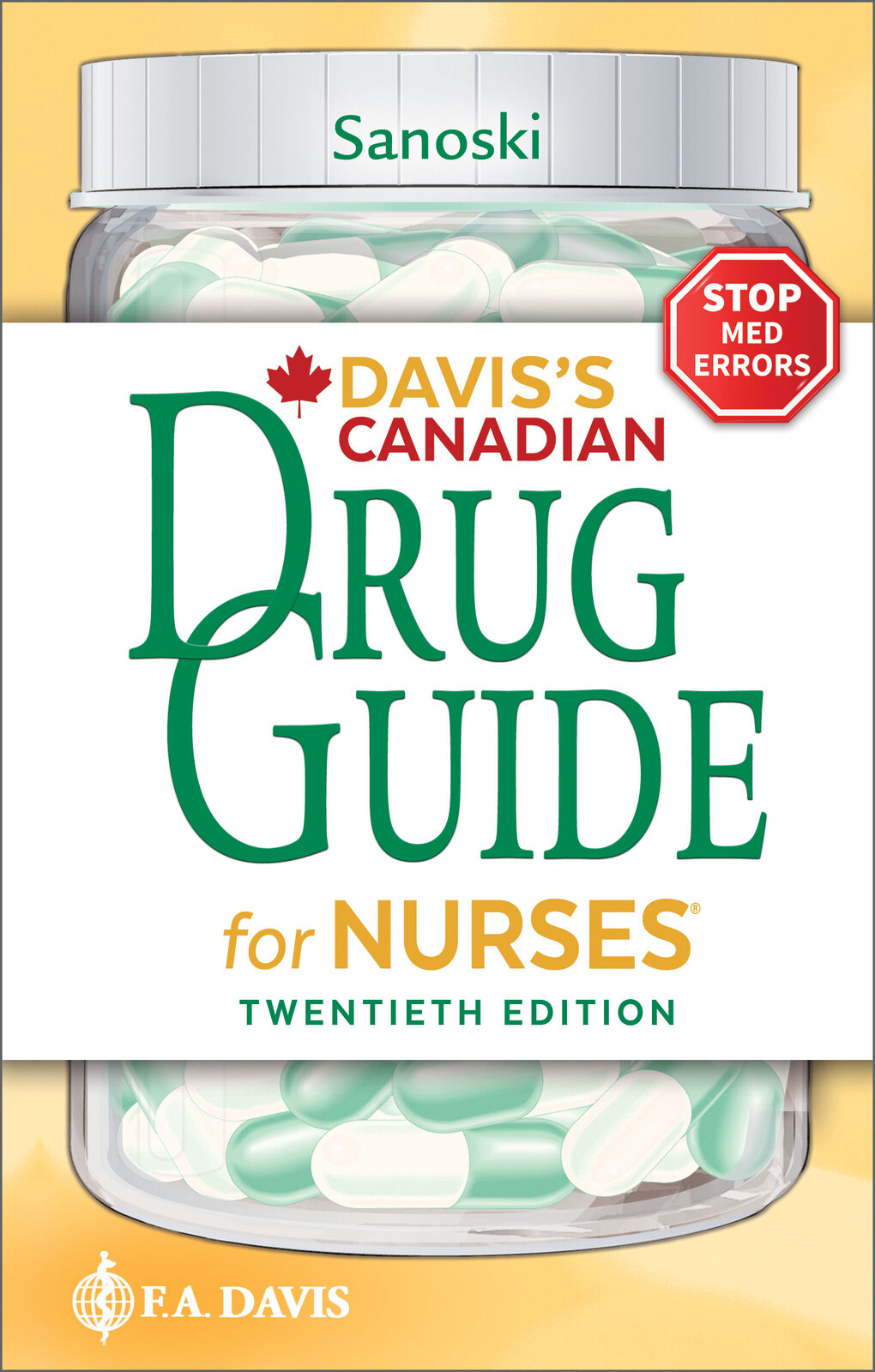
Davis’s Canadian Drug Guide for Nurses®, Twentieth Edition delivers everything nursing students and practicing nurses need to administer medications safely across the lifespan—well-organized monographs encompassing hundreds of generic drugs and thousands of trade names. It’s the #1 Drug Guide for patient safety with red tabs for high alert medications, red, bold, capitalized letters for life-threatening side effects, a REMS icon, special considerations for patient populations, IV administration subheads, pharmacogenomic content, patient, family teaching guidance, and Canadian-specific content, including monographs for Canadian approved drugs and Canadian trade names.
Table of Contents:
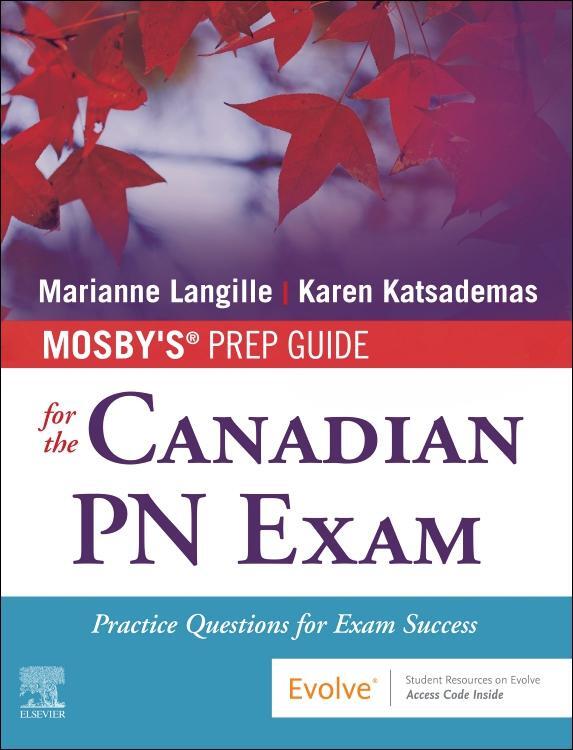
Prepare for success on the REx-PN™ and CPNRE® exams! Mosby's Prep Guide for the Canadian PN Exam: Practice Questions for Exam Success is the only concise examination study tool to focus specifically on Canada’s Practical Nurse licensure examination. Between the book and its accompanying website, this resource includes 1,000 practice questions along with a detailed rationale for each answer; it also provides valuable test-taking tips and strategies. From Canadian nursing experts Marianne Langille and Karen Katsademas, this self-study guide has everything you need to be completely ready for your PN exam.
Chapter 1: Introduction
Chapter 2: Description of the Canadian Registered Nurse Exam
Chapter 3: Study and Exam Tips
Chapter 4: Practice Exam #1
Case-Based Questions
Independent Questions
Chapter 5: Answers and Rationales for Practice Exam #1
Case-Based Questions Answers and Rationales
Independent Questions Answers and Rationales
Chapter 6: Practice Exam #2
Case-Based Questions
Independent Questions
Chapter 7: Answers and Rationales for Practice Exam #2
Case-Based Questions Answers and Rationales
Independent Questions Answers and Rationales
Chapter 8: Practice Exam #3
Case-Based Questions
Independent Questions
Chapter 9: Answers and Rationales for Practice Exam #3
Case-Based Questions Answers and Rationales
Independent Questions Answers and Rationales
Bibliography
Appendix: Entry-Level/Entry-to-Practice Competencies for Licensed/Registered Practical Nurses in Canada
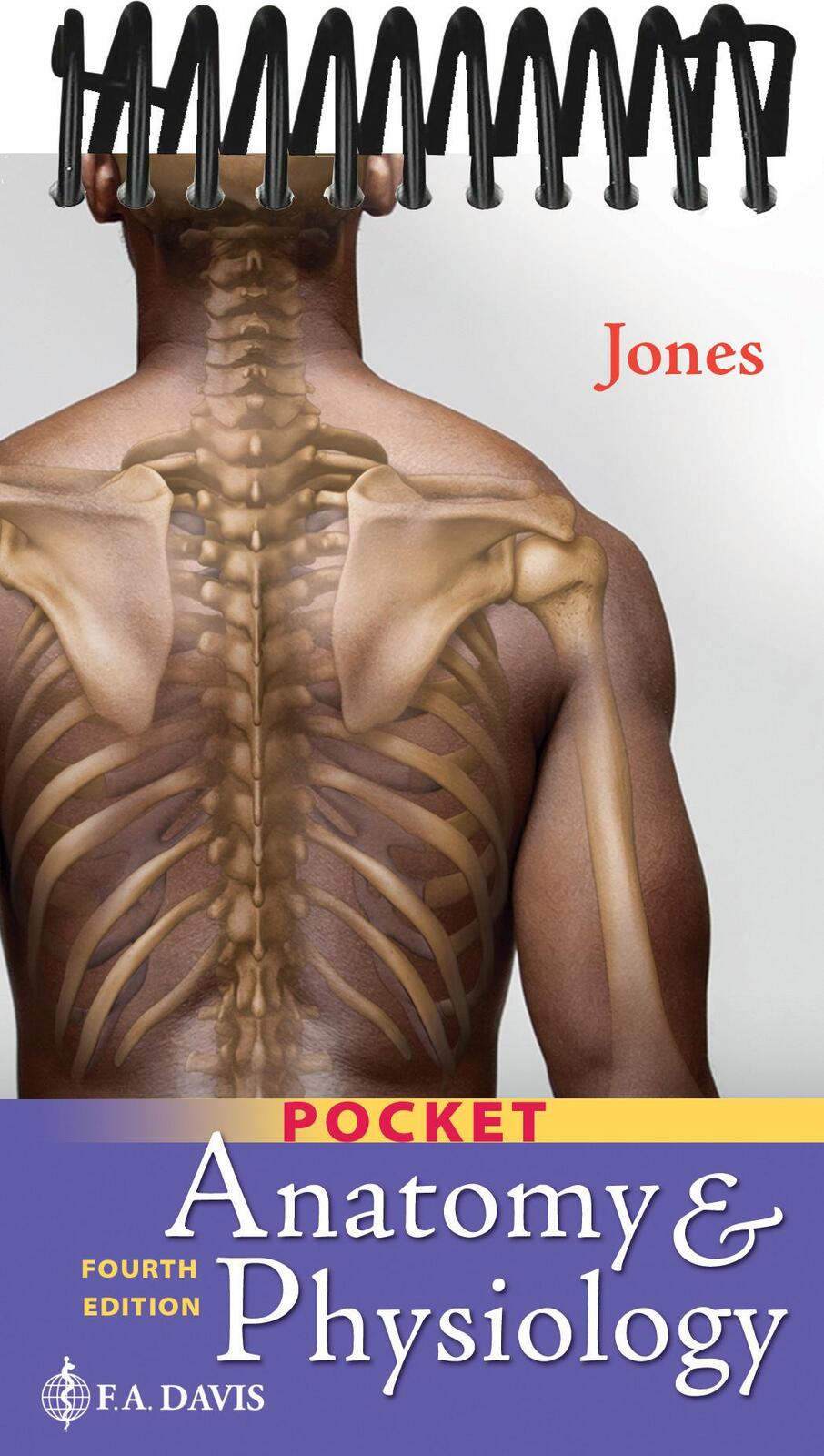
Access all of the A&P information you need?whenever and wherever you need it!
In class or in practice, all of the A & P information you need is at fingertips in this handy, easy-to-understand pocket guide. Crystal-clear, full-color illustrations with concise labels put all the need-to-know A&P information at your fingertips. Whether you’re looking for a cross section of the spinal cord or lateral view of the arteries of the head and neck, or any other perspective on the human body, you’ll find it here.
Table of Contents:
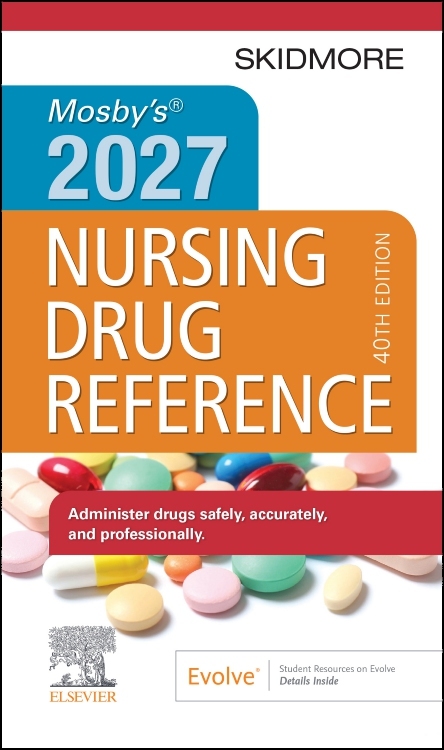
**Selected for 2026 Doody's Core Titles in Pharmacology**
Choose the drug handbook trusted by nurses for over 35 years! Mosby's 2027 Nursing Drug Reference makes it easy to find the most vital information on the drugs you administer most frequently. More than 5,000 drugs are profiled — including more than 22 new entries for drugs recently approved by the FDA. And no other drug guide places a higher emphasis on patient safety, with Black Box Warnings for dangerous adverse reactions, High Alerts for drugs with the greatest risk, and a focus on both common and life-threatening side effects. From nursing pharmacology expert Linda Skidmore-Roth, this perennial bestseller proves there is a difference in drug guides.
INDIVIDUAL DRUG MONOGRAPHS
APPENDICES
A. Selected New Drugs
B. Ophthalmic, Nasal, Topical, and Otic Products
C. Vaccines and Toxoids
D. Recent FDA Drug Approvals
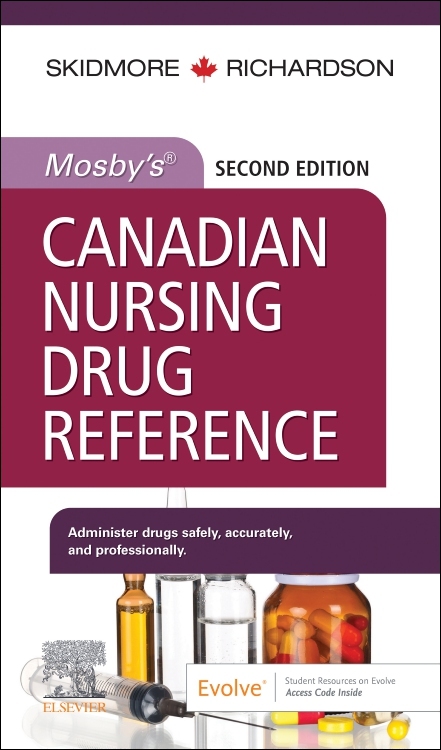
The only truly Canadian adaptation of the first name in drug references! Mosby's® Canadian Nursing Drug Reference, 2nd Edition makes it easy for you to find the latest, most vital dosing and administration information on more than 5,000 Health-Canada-approved drugs. This portable, full-colour handbook emphasizes patient safety throughout with special !Warnings for potentially lethal reactions and alerts for clinical situations requiring special attention. Designed to help you develop clinical reasoning in practice and think critically in the classroom, this unique nursing drug reference is perfect for use at home and on the job. The companion Evolve website includes classroom-friendly documents showing how to read drug references, descriptions of drug family classifications, therapeutic uses, overarching cautions, critical thinking/clinical judgement exercises, and more!
Individual drugs in A-Z Format
Appendices:
A. Collaborative medication management
B. Ophthalmic and topical products; rectal suppositories
C. Common Terminology Criteria for Adverse Effects (CTCAE)
D. Vaccines and Immune Globulins available in Canada
E. Quick labs for medication management
F. Medication metabolism: cytochrome P450 enzymes and inhibitors, inducers and substrates
G. Medications and prolonged QT interval
H. Insulin, insulin analogues, and non-insulin diabetic medications
I. Medications for pain, delirium, and palliative approach
J. Older Persons, polypharmacy, and adverse drug events (ADEs)
Endsheets:
SBAR for medication advocating
Medication math formulas
Abbreviations
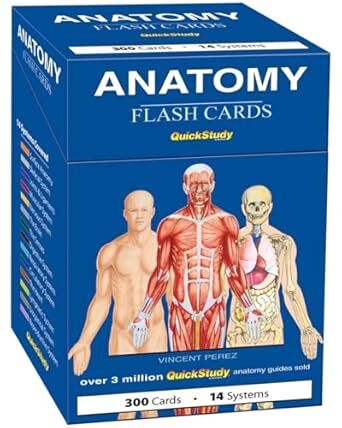
Best-selling flash cards with 300 colorful cards, covering 14 human-body systems, and grouped in color coded sets.
Includes detailed anatomical illustrations on each card with lines pinpointing anatomical parts that are named and numbered on one side of the card, and numbered blank lines pointing to the same part on the other side of the card. Lines to parts are in the exact position on each side of the card making it easy to quickly locate parts with and without the name to test your knowledge. In keeping with short-term and long-term memory studies, we have included the max number of parts per card that your brain can retain in short-term memory, while also moving those items to the long-term memory banks. There are over 10 million QuickStudy anatomy guides in print, all with the same beautiful Illustrations by award-winning and best-selling medical illustrator Vincent Perez. Vincent's life mission is cataloging the beauty and detail of our complicated body systems for medical professionals, whether future doctors or medical coders, formative students, and anyone needing to know human anatomy from personal trainers to yoga instructors.
Recent studies show that the physical nature of adding tactile handling of information increases focus and retention of the information in-hand. In a largely digital world a physical study tool can be extremely powerful for learning, which leads to longer retention and better grades. All of this included at a price that cannot be beat. Also find our QuickStudy Anatomy 2 Flash Cards for more coverage of the human anatomy.
Body Systems Covered:
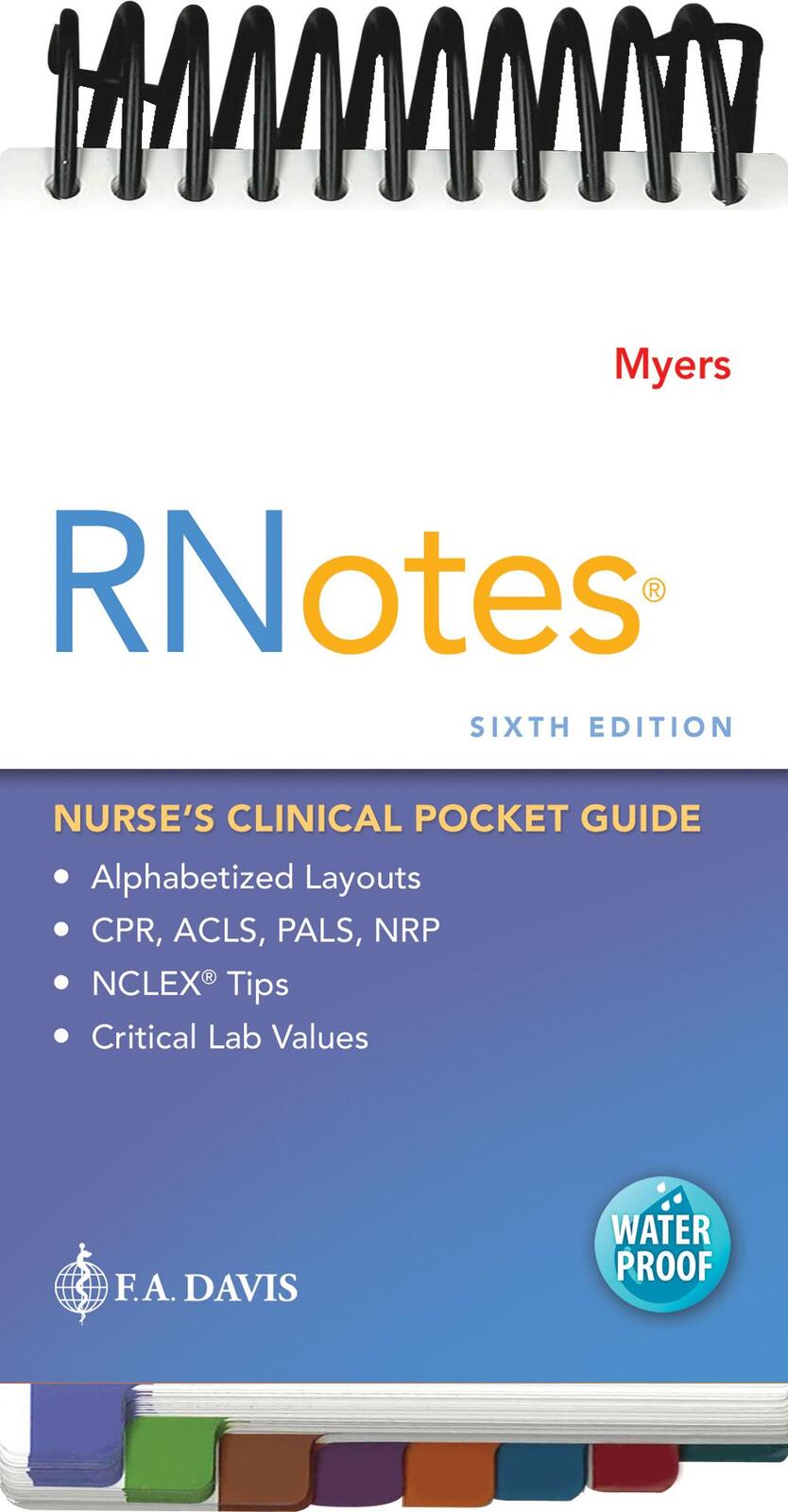
A Davis’s Notes title!
Your one-stop source for class, clinical, and practice!
Access the clinically oriented content you need to deliver safe and effective health care in hospital and home settings for all of your patients. Its handy pocket size and waterproof pages are great for students and educators on the go, while NCLEX® tips, highlighted throughout, make it perfect for those preparing for the licensure exam.
See what students and practitioners are saying online about the previous edition…
Super great reference tool for nursing students. “This little guide is clear and concise. It is the perfect reference tool. It is easy to find what I want and small enough to toss into my purse or backpack. I LOVE it!!!! If you are a nursing student, I promise you won’t regret buying this book.”
Excellent for both student and professional.“Great updated easy reference and excellent teaching aid for patients. Increases comprehension and satisfaction.”
The best! “This is the best! I got all that I want! To all nurse and nursing students, this is what you need! Definitely worth the money!”
Table of Contents:
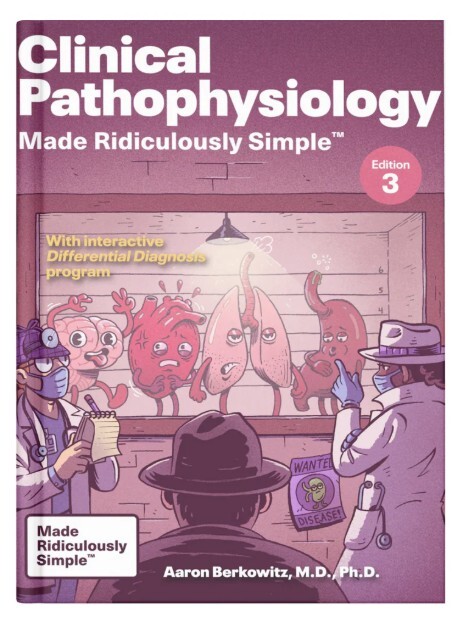
NEW COLOR EDITION!!!
MASTER CLINICAL UNDERSTANDING WITH THIS UPDATED COLOR EDITION OF CLINICAL PATHOPHYSIOLOGY MADE RIDICULOUSLY SIMPLE! EVEN IF YOU HAVE THE PREVIOUS EDITION, THIS EXTENSIVE UPDATE WILL BRING YOU TO THE NEXT LEVEL OF MEDICINE!
A few tiny specimens of what you can expect in this completely revised edition:
Table of Contents:
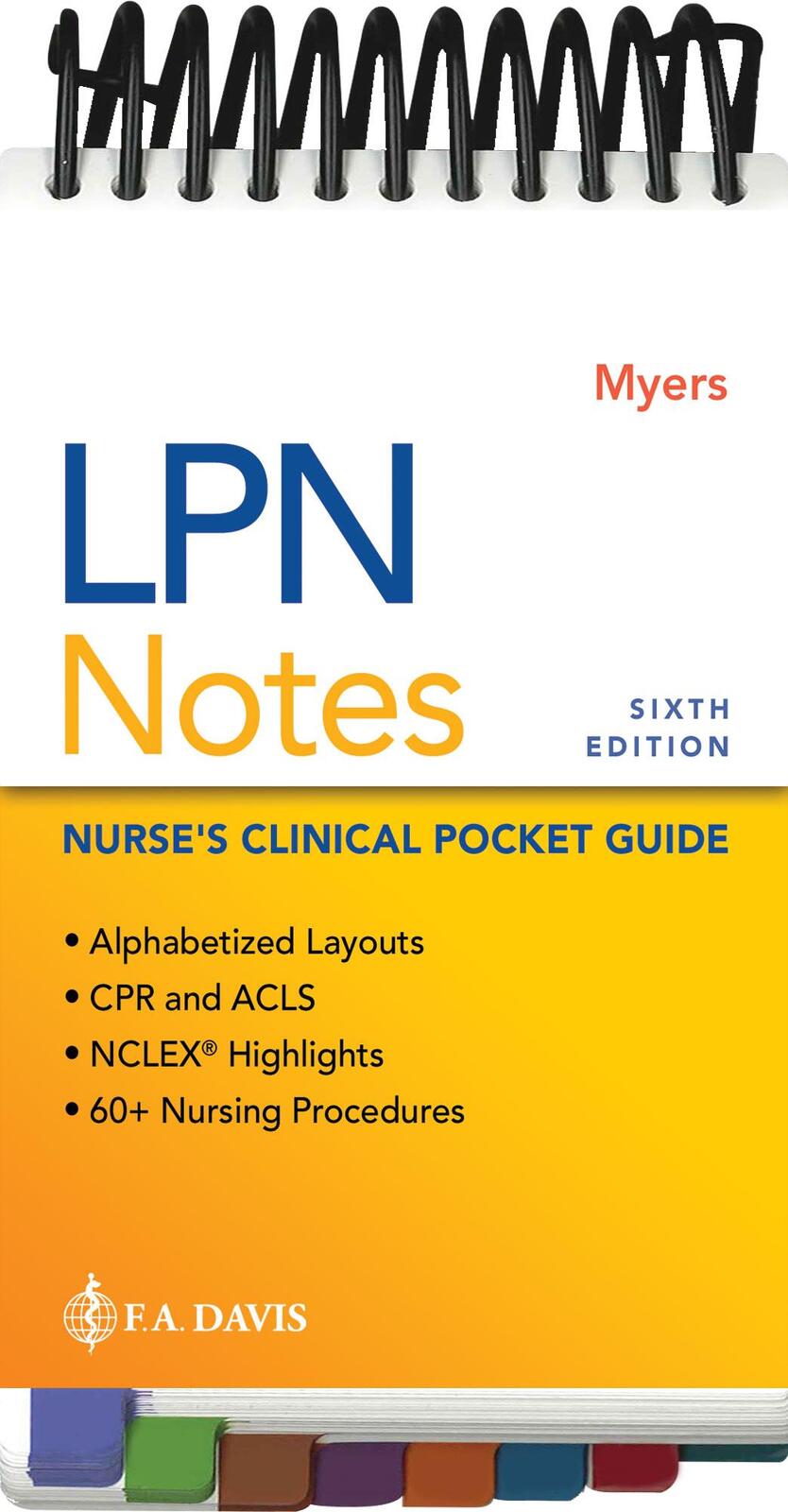
Increase your confidence!
The 6th Edition of this popular, easy-to-use guide delivers the practical, clinically oriented content you need to deliver safe and effective health care in hospital and home settings.
Table of Contents:
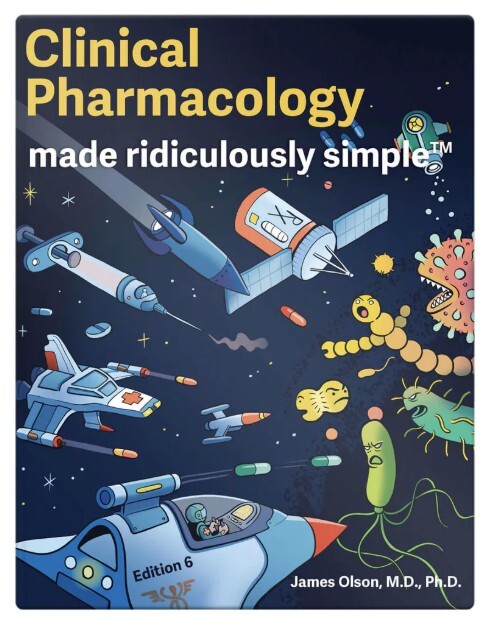
This new COLOR edition includes thoroughly revised and updated information about the latest drug guidelines in Pharmacology.
Top to bottom pharmaceutical updates for all systems with extensive inclusions for cancer treatment and anti-obestiy/appetite suppression medications.
EXCELLENT USMLE BOARD REVIEW!
A concise overview of the most important principles in clinical pharmacology, with drug comparisons in clear chart format. The book blends the essentials of basic pharmacology and clinical pharmacology so that transition from classroom to clinic is less abrupt. The text that surrounds the tables emphasize key issues pertaining to therapeutic rationale, basic pharmacologic principles and clinical use of drugs. Topics include Principles of Pharmacology (Pharmacokinetics, drug actions at multiple levels, drug interactions, tolerance, dependence and withdrawal), Peripheral Nervous System, Central Nervous System, Cardiovascular and Hematology Drugs, Respiratory Drugs, GI Drugs, Anti-Infective Agents, Anticancer drugs, Anti-Inflammatory and Immunomodulating Agents, and Endocrine System Drugs.
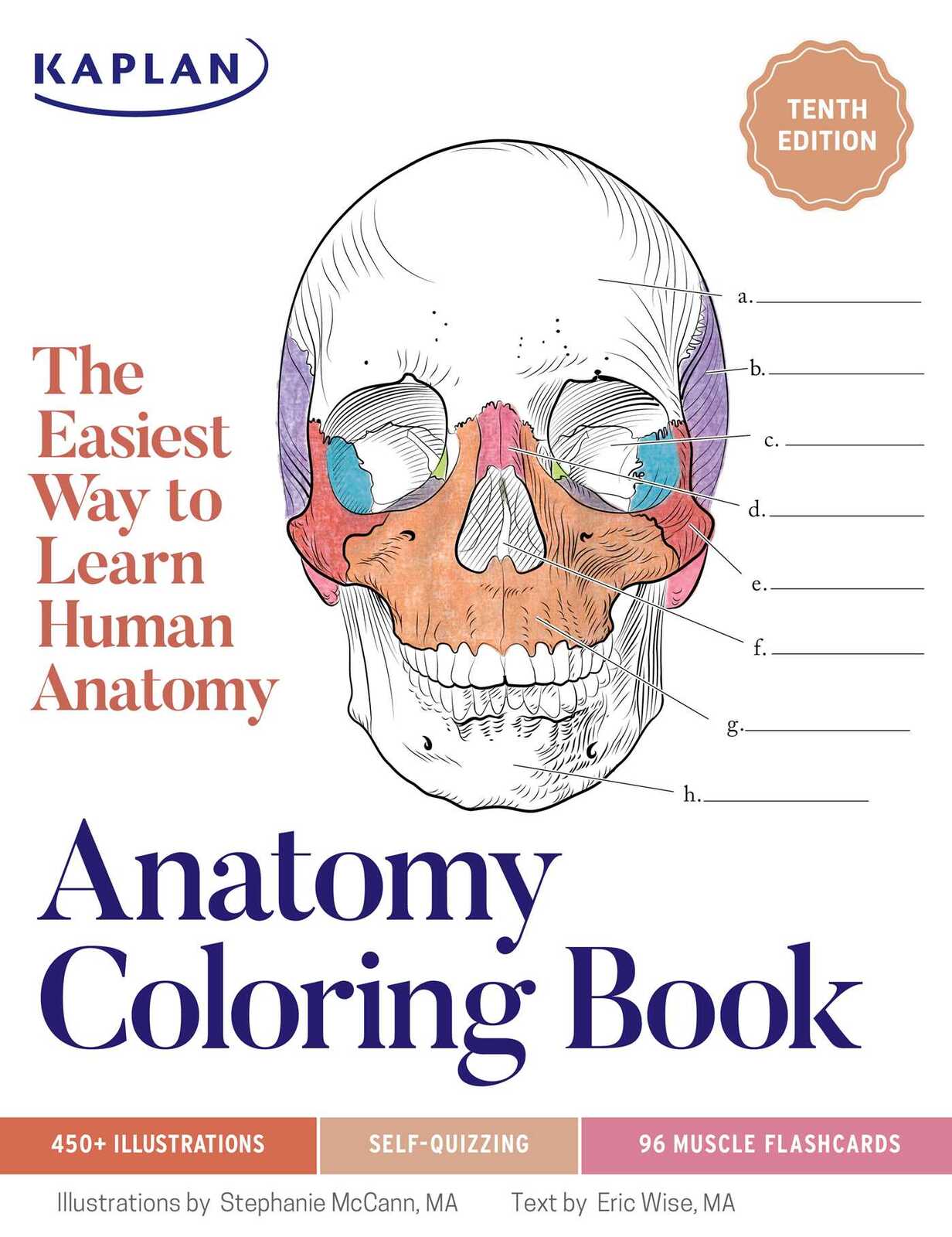
Coloring the body and its systems is the most effective way to study the structure and functions of human anatomy. With realistic drawings, clear descriptions, and must-know terms, Kaplan's Anatomy Coloring Book is the easiest way to learn human anatomy! This learning tool is ideal for pre-health students and others seeking to deepen their knowledge of anatomy.
Anatomy Coloring Book features elegant, detailed illustrations of the body’s anatomical systems in a spacious page design with no back-to-back images—goodbye, bleed-through! Plus, Color Guides on every 2-page spread offer instructions for best coloring results so you can get the most out of your study.
The Best Review
Expert Guidance
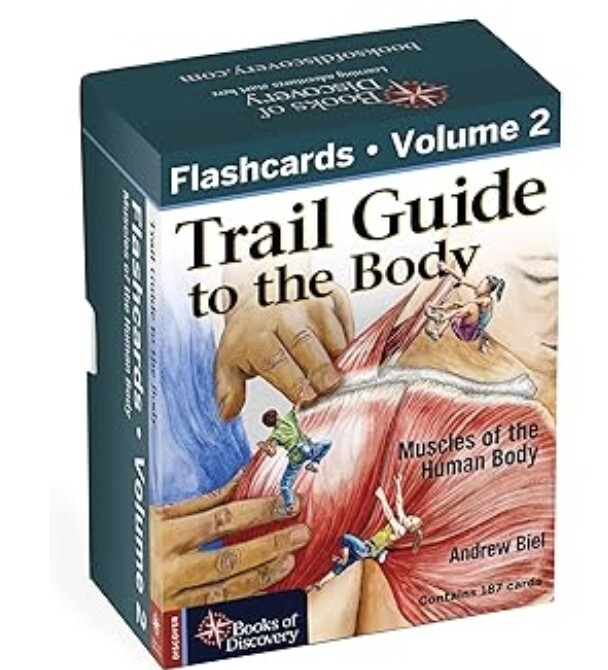
Helps students ace their next exam!
These beautifully illustrated and user-friendly flashcards come in a two-volume set and are an essential tool for testing knowledge.
Volume 2, with 187 cards, covers the muscles of the human body.
These flashcards cover the following chapters in Trail Guide to the Body®:
Features of these flashcards include:
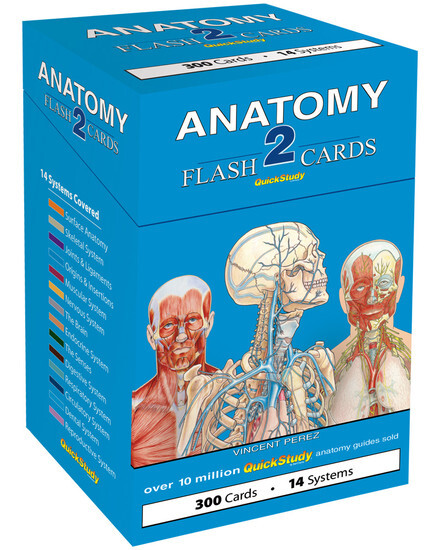
300 full-color cards on 14 human body systems, covering parts that could not be covered on our first set of cards.
To truly offer the benefit of flash cards for memory retention, we included the maximum number of body part labels per card that short-term memory can retain and move to long-term memory.
This second set adds a few systems beautifully illustrated by award winning medical illustrator Vincent Perez.
With images and numbered labels naming parts on one side and just the numbered parts on the other, students can easily test themselves or their study partner. There is nothing else that compares in quality, number of cards and price.
Suggested uses: Students establish your core memory of human anatomy whether you will be a nurse, physical therapists, pre med, or even a massage therapist.
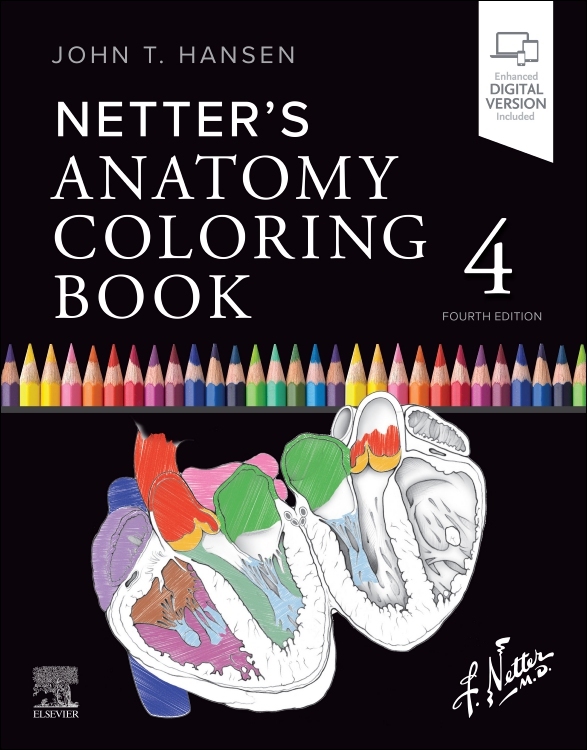
Learning anatomy is a challenge—make it easier and more enjoyable for your students with this active and engaging review tool! Netter's Anatomy Coloring Book, 4th Edition, improves students’ knowledge of structures, pathways, and relationships, and is based on the bestselling Netter’s Atlas of Human Anatomy, 9th Edition, so you know they’re benefiting from reliable, up-to-date anatomical information. Coloring and tracing arteries, veins, and nerves through their courses and bifurcations reinforces students’ understanding of blood supply and innervation. Coloring in the direction of muscle striations between attachments builds knowledge they can apply to muscle action. This bestselling Netter coloring book also contains muscle data tables and clinical notes, making it an excellent, high-yield anatomy resource for foundational learning as well as review.
Netter's Anatomy Coloring Book is a perfect companion to Netter’s Atlas of Human Anatomy as well as Netter's Anatomy Flash Cards and Netter's Clinical Anatomy textbook
1. Orientation and Introduction
2. Skeletal System
3. Muscular System
4. Nervous System and Sense Organs
5. Cardiovascular System
6. Lymphatic Vessels and Lymphoid Organs
7. Respiratory System
8. Digestive System
9. Urinary System
10. Reproductive Systems
11. Endocrine System
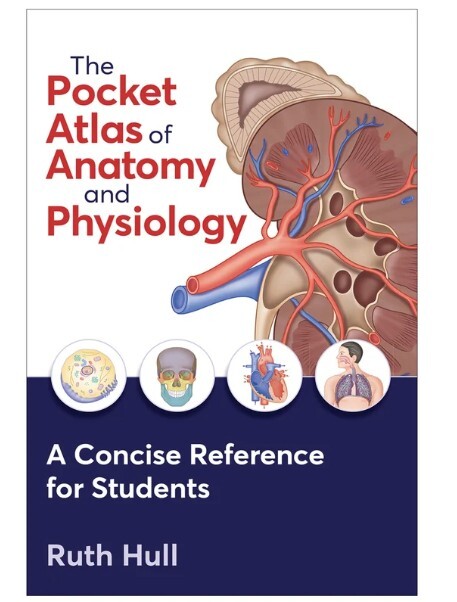
The Pocket Atlas of Anatomy and Physiology is the ideal introduction for students of complementary and physical therapies. Author and therapist Ruth Hull provides a thorough understanding of anatomy and physiology with clear, concise, and accessible language. The book is designed for easy comprehension, with more than 300 clearly labeled color images, as well as flowcharts and tables to help visualize complex ideas. This pocketbook also serves as an effective refresher for current healthcare and bodywork professionals. It covers the following:
- Skin, hair, and nails
- Skeletal, muscular, and nervous systems
- Endocrine and respiratory systems
- Cardiovascular, lymphatic, and immune systems
- Digestive system
- Urinary system
- Reproductive system
Table of Contents: